
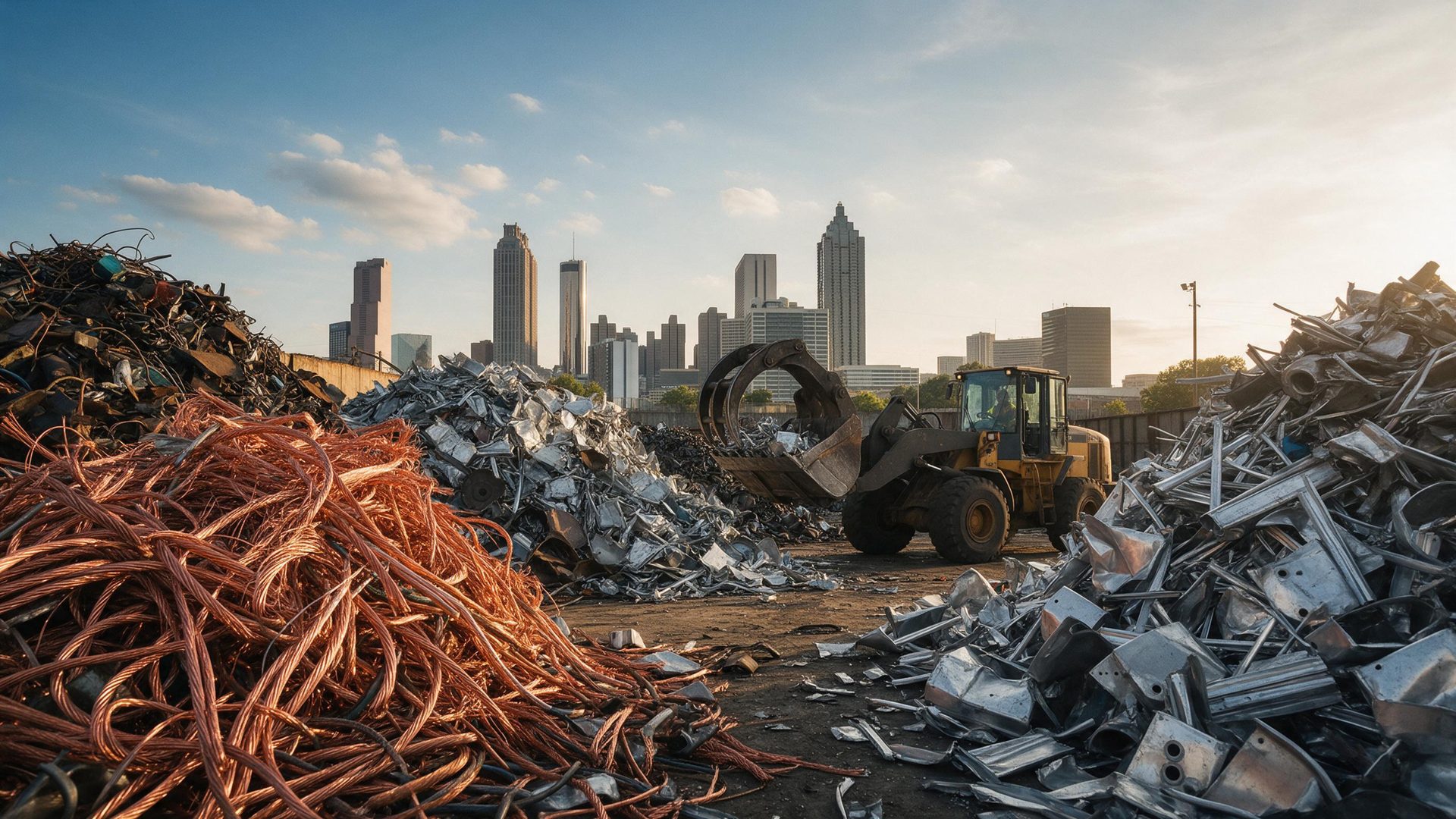
Clear scrap off an Atlanta job before the next crew needs the driveway
Decatur bungalow copper, Lockheed-area shop steel, Alpharetta builder cutoffs. Send a photo. A partner yard prices it.
Live market spot prices, just for reference. Yard prices for scrap are lower and depend on grade.
Live metal spot prices
Local prices vary by yard. Send a photo for a quote. The figures above are live market spot prices from gold-api, for reference only — not a local scale ticket.
Sorting is necessary
Red clay dust coats every outdoor pile. Knock the worst of it off copper and brass, and do not leave non-ferrous in the same heap as wet carpet and studs from a teardown.
What usually pays
How it works
Send us a message
Coverage is Atlanta and the cities below, inside and outside the Perimeter. Name the county if the town sits on a line. There is no published street address.
Atlanta Scrap is an independent referral service that connects you with local scrap yards.
What metro Atlanta actually scraps
Bungalows inside, subdivisions outside
Intown Atlanta and places like Decatur still open bungalows and small brick houses with copper supply, brass valves, and cast tubs. Those loads are short, valuable when sorted, and miserable when they ride with plaster and lath. North of the Perimeter, Alpharetta, Roswell, and parts of Marietta are a later generation: builder cutoffs, HVAC line, and the first major appliance replacement.
South, East Point and the airport-adjacent industrial streets are a third city. Warehouse and shop steel show up there more often than copper pipe. Say which Atlanta you mean.
Humidity, pollen, and a long building season
Atlanta’s humidity and red-clay dust are why outdoor copper looks worse than it is after a week. Pollen season adds a film that does not change the metal and does annoy anyone grading from a photo. Shoot close-ups of clean ends, not just a wide shot of a dirty driveway.
Winters are mild enough that remodeling never really stops, and summers are busy enough that a container left on a job becomes someone else’s problem. Storm trees take down aluminum fencing and rail. That is light metal. Do not file it under copper.
Offices, film stages, and ordinary driveways
Perimeter and Cumberland office refreshes produce cable and raised-floor scrap on a landlord schedule. Studio and warehouse conversions add odd steel. Both need permission from the property, not a verbal “the superintendent said it was fine” with no name.
The everyday lead is still a driveway: a junk car in Marietta, a water heater in Lawrenceville, a coin jar that belongs on the gold page. Traffic decides the pickup window more than the weather does.
Questions people ask
Are those live prices Atlanta scale prices?
No. They are market spot prices. Local prices vary by yard. Send a photo for a quote.
Do you cover both ITP and OTP?
Yes. Inside and outside the Perimeter are both on the town list. Use the city name so the route is real.
What identification is required?
A valid government-issued photo ID when a yard pays.
Towns around Atlanta
A Decatur remodel and a Peachtree City garage cleanout are different loads. Open the town that matches.
Sort scrap metal before asking for a yard quote
Separate ferrous metal, which contains iron, from non-ferrous metal such as copper, brass, and aluminum. A magnet is a quick first check: if it sticks firmly, the item is likely ferrous. The test is not a complete grade check. Some stainless steel may not attract a magnet, and paint, plating, or mixed parts can make a piece harder to identify.
Copper grade depends on condition and form. Bare bright is clean, uncoated copper wire with its insulation removed; #1 copper is generally clean copper pipe or solid pieces without major attachments; #2 may have solder, paint, or other contamination. Those labels are yard grading terms, so send clear close-ups and let the partner yard confirm how it classifies a load.
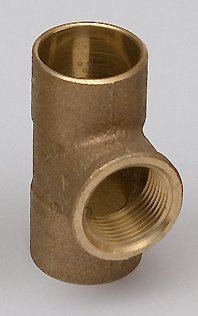
Brass commonly appears as plumbing fittings, valves, and other solid parts. Keep it separate from copper where practical, and remove obvious non-metal attachments without damaging the material. Aluminum can include siding, sheet, cast pieces, and extrusions. Do not assume every aluminum item shares one grade: alloy, attachments, coatings, and mixed construction can affect how a yard sorts it.
Clean material is easier to identify than a pile mixed with wood, insulation, concrete, or household trash. Dirt and water add weight without adding metal value, while attached steel or plastic can change the grade. Keep unlike materials in separate containers when possible. If an item is assembled from several metals, photograph the whole piece and its joints rather than guessing at its composition.
Prepare wire, appliances, and metal safely
Stripping insulated wire can expose copper, but the extra work does not always make sense for a small amount. Insulation removal takes time, and burning wire is unsafe and can contaminate the copper. Ask the yard how it accepts insulated wire before stripping a large batch. Keep clean bare wire apart from coated, soldered, or mixed wire so the grader can see what is being offered.
Refrigerators, freezers, air conditioners, and some other appliances contain refrigerant. That refrigerant needs proper recovery by a qualified service provider before the appliance is processed. Do not cut refrigerant lines or release gas to make an item easier to move. Ask the partner yard what condition it accepts, whether recovery must happen first, and how to handle the appliance's compressor and attached components.
Catalytic converters are a distinct item, not ordinary mixed steel. Their value and acceptance depend on the unit and the yard's process. Keep the converter intact and be ready to explain where it came from; do not remove one from a vehicle you do not own or have permission to dismantle. Ask the partner yard in advance what identification or paperwork it requires for this item.
Use gloves and eye protection when sorting sharp sheet, wire ends, or rusty pieces. Do not reach into a pile where the contents are hidden, and avoid lifting awkward or heavy objects alone. Keep children and pets away from the staging area. If a load includes batteries, sealed containers, or material with unknown residue, set it aside and ask the yard how it wants it handled.
Plan a Metro Atlanta junk car or scrap pickup
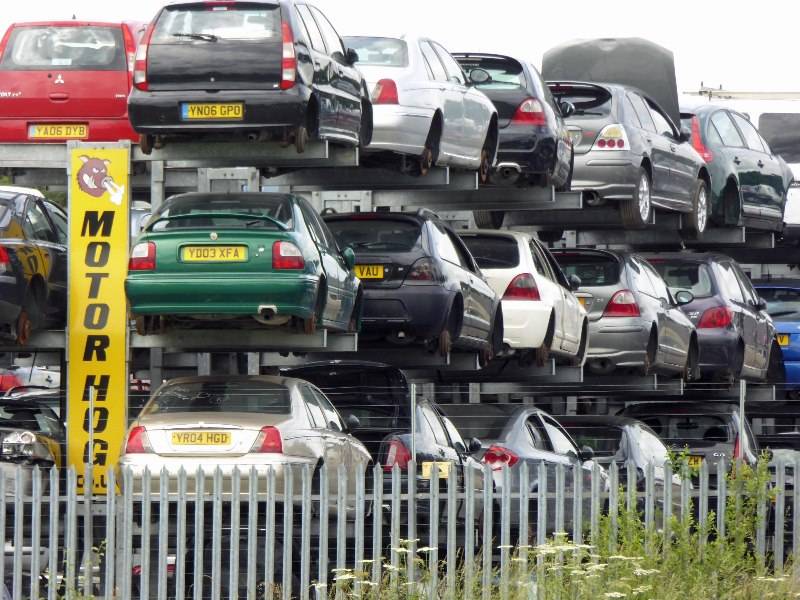
A junk car quote is not a substitute for checking the title and ownership details. Requirements can depend on the vehicle and the situation, so ask the partner yard what documents it needs before arranging removal. If a title is missing, ownership is shared, or a lender may still have an interest, explain that when you first contact the yard rather than waiting until pickup day.
For a smoother pickup, have the vehicle or metal load accessible and tell the yard about gates, tight turns, low clearance, or other obstacles. Move personal items out of a car and keep the keys and requested documents ready. For loose scrap, gather separate grades in a safe, reachable spot. A photo that shows the full load and any access limits helps the yard assess the request.
A photo estimate may change after the yard sees the material in person. Actual grade, contamination, quantity, and access can differ from what a picture suggests. Ask how the yard will determine the final amount and whether it will provide a scale ticket. The independent yard handles grading, weighing, and payment; the website passes along the request and does not buy the scrap itself.
Do not dismantle a vehicle or remove parts just to make it easier to tow unless the yard has agreed to that plan. A missing wheel, blocked access, or parts removed from the vehicle can change how it is loaded. Tell the partner yard about flat tires, missing keys, or a car that cannot roll. Confirm who is responsible for moving obstacles and keep the pickup path clear.
More questions
Can a magnet tell me whether metal is stainless steel?
Not by itself. Some stainless steel attracts a magnet, while some varieties show little or no attraction. A magnet can help separate many iron-based items from non-ferrous scrap, but it cannot establish an exact alloy or grade. If the distinction matters, send a close photo and ask the partner yard how it wants the item identified.
What makes copper bare bright instead of another copper grade?
Bare bright generally means clean, uncoated copper wire with insulation removed and no significant solder or attachments. Copper pipe, painted pieces, soldered joints, and insulated wire may be graded differently. Avoid labeling a mixed bundle as bare bright; separate what you can and let the yard make the final grade determination.
Should I strip all the insulation off my copper wire?
Not necessarily. Stripping may take more time than it is worth for a small quantity, and insulated wire can be accepted as its own category by some yards. Ask the partner yard how it grades the type and amount you have. Never burn insulation off wire; it creates a safety and contamination problem.
Can I bring an old refrigerator or air conditioner as scrap?
Ask the yard first. Refrigerant-containing equipment needs proper refrigerant recovery before processing, and acceptance procedures can vary. Do not cut lines or release refrigerant yourself. Tell the yard the appliance type, whether it is complete, and whether a qualified service provider has recovered the refrigerant so it can explain the next step.
Why does a catalytic converter need separate handling?
A catalytic converter is a specialized component, and yards may have specific acceptance and documentation steps for it. Keep it intact and describe its source when asking about a quote. Do not remove a converter from a vehicle without permission from its owner. Confirm the yard's requirements before bringing or arranging pickup for one.
What if I do not have the title for my junk car?
Contact the partner yard before scheduling removal and explain the title situation. The documents needed can depend on ownership and the vehicle's circumstances, so do not assume a bill of sale or another paper will be enough. If there are co-owners or a possible lien, mention that as well and ask what the yard requires.
Should I remove the battery or fluids from a junk car?
Do not remove parts or drain fluids without checking with the yard first. The vehicle may need to remain in a particular condition for loading or processing, and batteries or fluids require careful handling. Tell the yard what is still in the car and ask whether it wants anything prepared before pickup.
What should I ask before the yard loads my scrap?
Confirm what material and access conditions the quote covers, how the final grade and weight are determined, and whether a scale ticket is provided. For a vehicle, clarify the required documents and whether it needs to roll. The yard handles weighing and payment, so settle those process questions directly with its representative.
See the products we recommend in the Scrap and Metal Shop at Landforms USA.
Open this site on your phone

Atlanta Scrap
atlantascrappickup.com
Point your phone camera at the code